
Leave room for wood movement
Grain direction, moisture and restraint belong in the design before a wide panel is fixed in place.
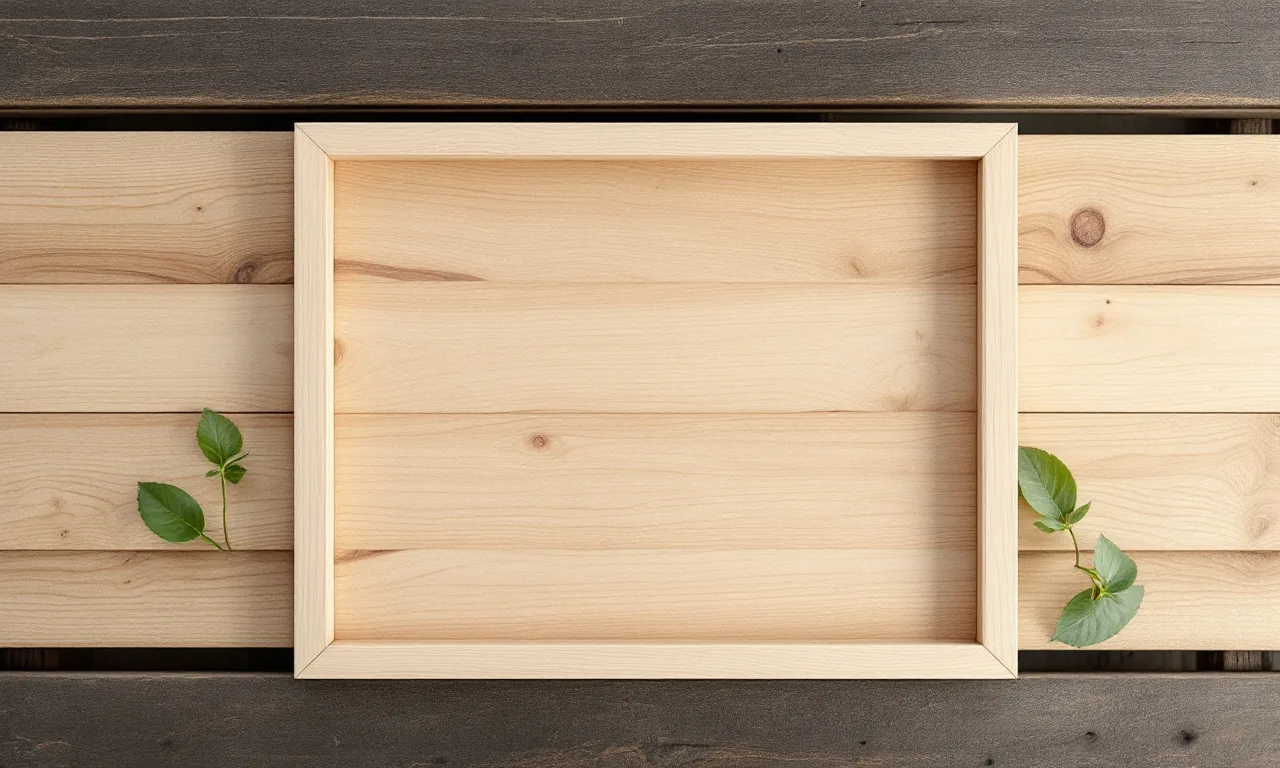
A solid-wood panel can fit neatly on the day it is made and still need room to change later. Wood exchanges moisture with its surroundings, and its dimensions respond. The movement is not a defect that can be removed by choosing a more confident finish or tightening every fixing. It is a material characteristic that belongs in the design.
This note explains the planning questions around that movement. It does not provide a universal gap, a structural connection design or a species-specific prediction for an unidentified board. The useful first step is to recognize which direction matters and which parts of an assembly might prevent the wood from responding normally.
Grain direction is the starting point
Think of a board in three directions: along its length with the grain, across its width and through its thickness. Wood does not change dimensions equally in every direction. Across-grain behavior is especially important when a wide solid panel is restrained by another part.
The orientation of the growth rings influences how movement appears across the board. Two pieces with the same overall dimensions can behave differently because their grain orientation and material characteristics differ. A broad label such as pine does not contain enough information to predict an exact result.
When making a drawing, add grain-direction arrows to the important parts. That small notation reveals where the grain in one component crosses the grain in another. Those intersections deserve attention before the joinery or fastening method is finalized.
Moisture follows the environment over time
Wood tends toward a moisture condition related to the surrounding temperature and relative humidity. It does not necessarily reach that condition instantly or uniformly. Thickness, exposure and the previous storage condition affect the process.
A covered yard, an unheated workshop and a conditioned room can present different environments. A board purchased dry may still change after moving between them. That is why the words kiln dried do not answer every question about readiness for a furniture project.
Plan storage and observation with the final use in mind. Use appropriate moisture measurements where they help, and interpret them in context. The meter guide explains why consistent method and settings matter more than a single attractive number on a display.
Width makes small changes noticeable
A small proportional change becomes a larger absolute change across a wider panel. This is one reason a broad tabletop needs more movement planning than a narrow strip. The exact amount still depends on the wood, grain orientation and moisture change involved.
Do not choose a gap merely because it worked on a different project. That project may have used a different species, panel width or environment. A copied gap can look professional while resting on no relevant calculation or design basis.
Where a precise allowance is required, use reliable species data and a clearly stated moisture range, or obtain qualified design guidance. Record the assumptions. An exact-looking number without known inputs is less useful than a cautious design question that remains openly unresolved.
Find the parts that restrain the panel
Look at the whole assembly. A wide panel attached to a frame, a shelf fitted tightly between sides and a top captured by an edge detail all create different constraints. Ask which parts can move and which connections might prevent that movement.
A connection can hold a component securely while still being designed to accommodate movement, but the details matter. Use a proven method appropriate to the actual project and follow the hardware maker's directions where hardware is involved. Do not improvise a slot, screw arrangement or adhesive pattern from a vague description.
The important habit is to identify the constraint before building it. If every edge is fixed rigidly and the panel has no permitted direction of change, tightening the assembly more carefully does not answer the underlying material question.
A finish slows exchange, not the laws of wood
Finishes can influence how moisture moves between wood and its environment, but ordinary furniture finishes should not be treated as a permanent seal that eliminates movement. A finished panel still needs suitable design and use conditions.
Plan the finishing process across the relevant surfaces according to the product instructions and project design. Uneven exposure and coating conditions can complicate behavior, but a generic article cannot specify a universal coating schedule for every assembly.
Make a finish sample to understand appearance and application. Keep that test separate from movement design. A sample that looks beautiful after two coats has not proved that a large panel can be fastened rigidly across its width.
Dry fitting is a snapshot
A successful dry fit tells you something important about the assembly at that moment. It does not show every condition the piece may experience later. A panel sliding neatly into an opening can become a different fit when the material or room changes.
During dry fitting, distinguish the clearance needed for assembly from the allowance needed for material behavior. They can interact, but they are not necessarily the same number or the same design feature. Record which purpose each gap or connection serves.
Avoid forcing a tight part into place and calling the result precise. If the fit depends on compression or unusual force, identify why. The solution may involve correcting the part, changing the detail or reconsidering the design assumptions rather than applying a larger clamp.
Store material before final sizing
Suitable storage supports the boards and allows the intended environment to reach them. Stacking methods depend on the stage of drying and the material, but the basic planning question is simple: are the boards protected, supported and identifiable while they adjust?
Do not leave one face against a damp floor or place a carefully selected board where a leak or direct weather exposure can change its condition. Keep the material away from avoidable contamination and handling damage. The storage guide describes practical preparation for a small workshop.
Where possible, avoid rushing from a very different storage environment straight into final dimensioning and rigid assembly. There is no single waiting period that proves every board ready. Observation, appropriate measurement and the project requirements are more useful than a calendar rule copied without context.
Understand the difference with plywood
Plywood's layered construction changes its dimensional behavior compared with a broad solid board. That can be useful for some furniture panels, but it does not make plywood immune to moisture or automatically suitable for wet use.
The panel's bond classification, core, face and documented use still matter. Do not replace a solid panel with an unidentified sheet and assume every connection or load assumption carries over. Material substitution is a design decision.
The solid pine and plywood comparison considers preparation, edges and project layout. It deliberately avoids a universal shelf span because the product and support system have to be known before that kind of conclusion is justified.
A movement review before assembly
Mark the grain direction on the drawing. Identify the widest solid-wood parts. Note the expected use environment and any large difference from current storage. Find every connection that crosses grain or captures a panel. Then check the intended movement provision against a reliable design detail.
If a question remains, resolve it before adhesive or hardware makes the assembly difficult to change. A five-minute review can reveal an assumption that would be expensive to discover after finishing. Do not hide an unresolved issue under a generic percentage or a familiar rule of thumb.
Keep the review with the project notes. If the piece later changes shape or fit, those assumptions help explain what happened. Without them, it is easy to blame the species, the weather or the finish without distinguishing the actual causes.
What to observe after the project
Notice changes without immediately forcing them back. A seasonal difference in a gap, a door that becomes tighter or a panel that begins to show stress can indicate that the assembly deserves investigation. Stop using a piece if a developing defect creates a safety concern.
Record the date, location and visible change. Photographs taken from the same angle can help compare conditions. For a consequential failure or a loaded component, obtain qualified help rather than making an improvised repair based on appearance alone.
Wood movement is easier to manage when it is treated as a normal design input. The aim is not to find a finish or fastener strong enough to deny the material's behavior. It is to make a piece whose parts and connections have been chosen with that behavior in mind.
Source
Chapter 4, Moisture Relations and Physical Properties, and chapter 13, Drying and Control of Moisture Content and Dimensional Changes, in the USDA Wood Handbook provide the technical background. Numerical movement estimates require appropriate species data, grain orientation and a justified moisture range; none is inferred here from a photograph or a trade name.
Keep the notebook open.
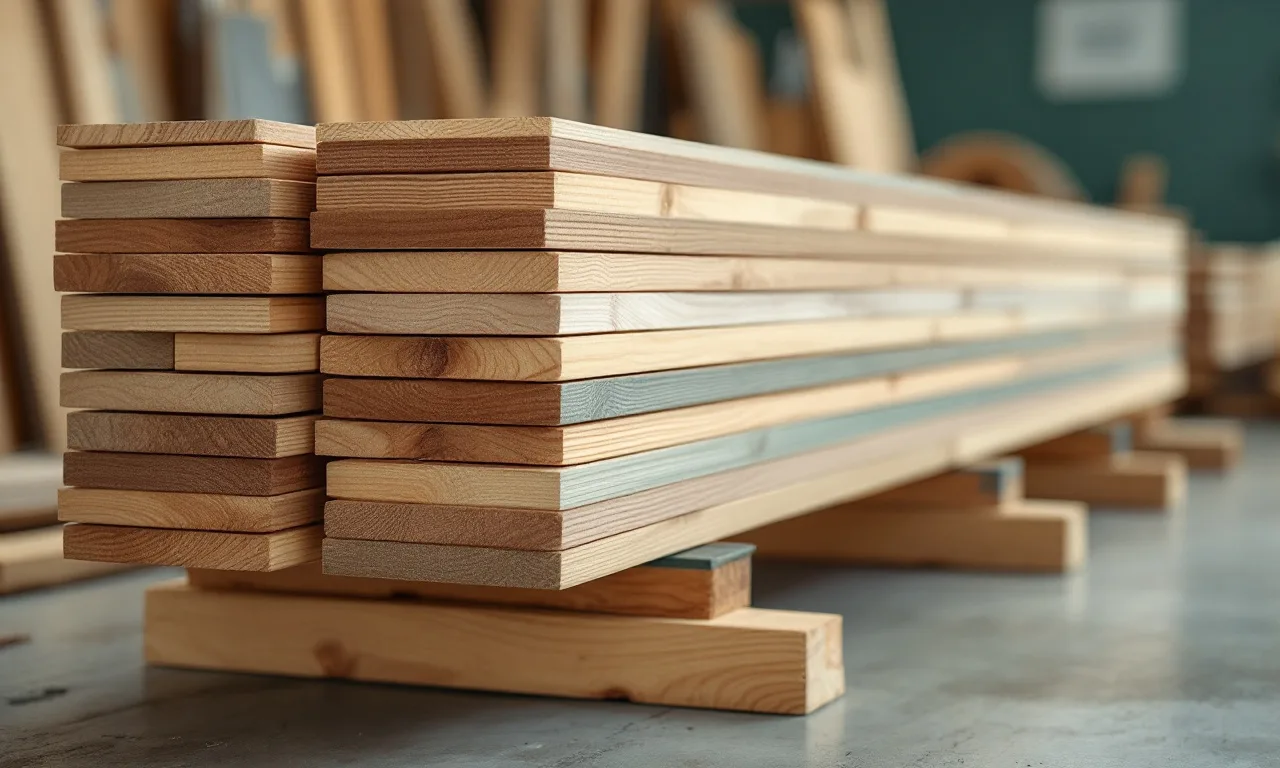
Storing pine boards between buying and building
Protect and support timber between delivery and preparation, with the material information kept alongside it.
14 Oct 2026 · Jonah Mercer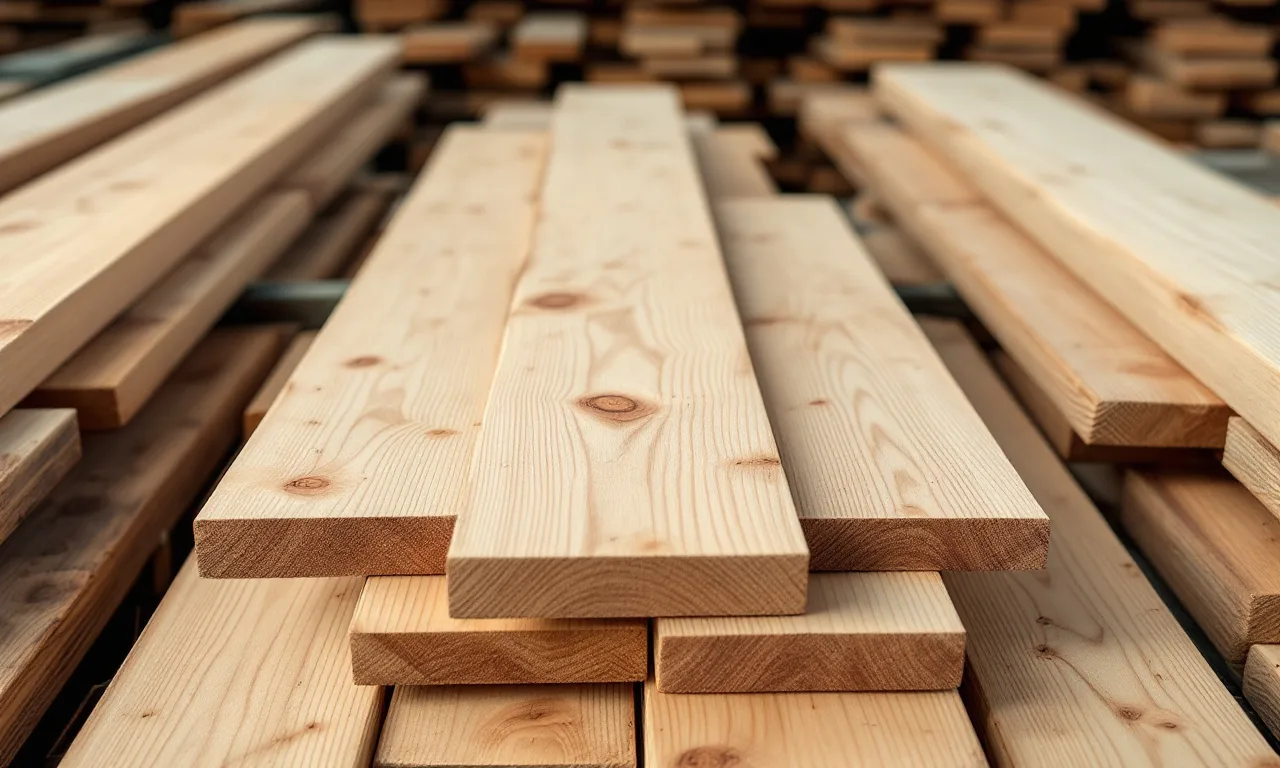
How to choose pine boards for furniture
Read grain, knots, distortion and moisture before deciding which boards can become useful furniture parts.
13 Feb 2024 · Elise Tran