
Wrap finished woodwork before the ride down from the mountains
How to list, sort and wrap handmade wooden pieces after a group trip to the mountains, so fresh finishes and fragile edges survive the ride home.
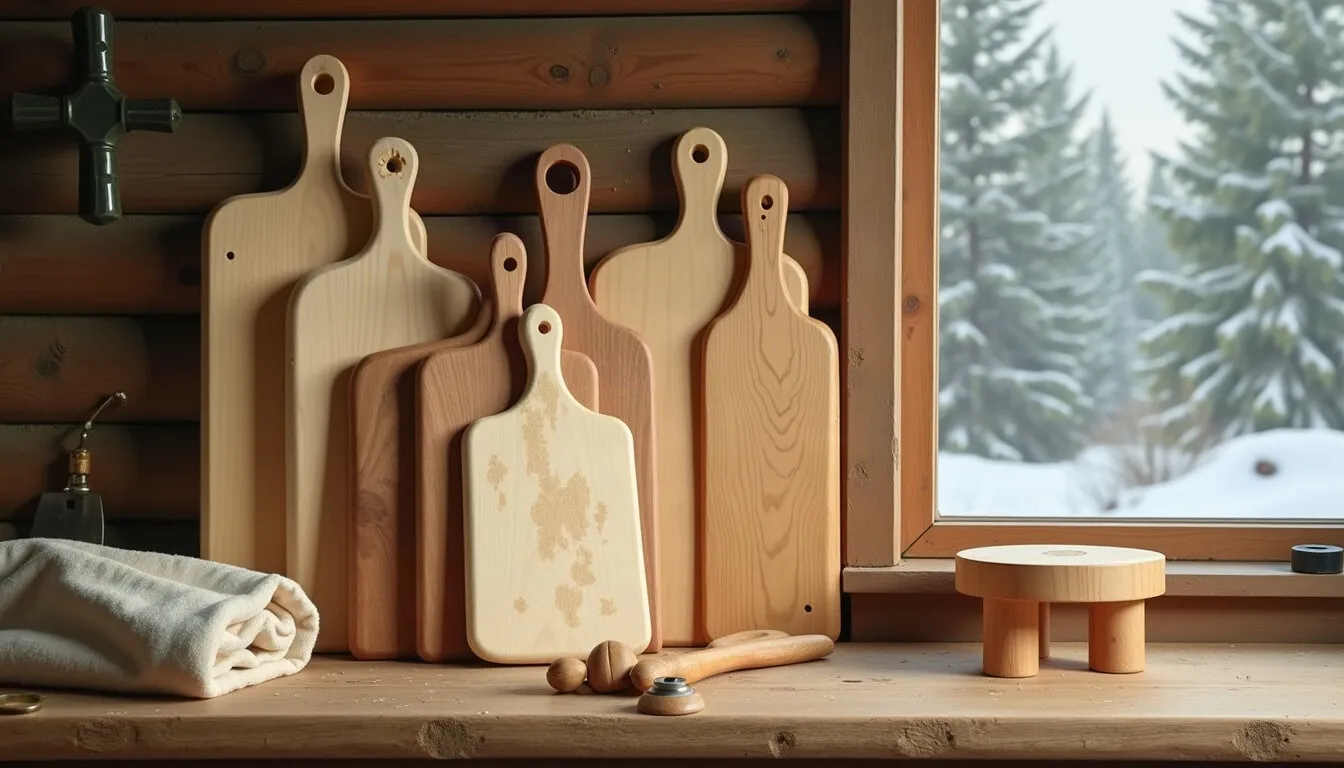
A weekend in a mountain cabin with a few friends and a pile of pine can end with a table full of finished pieces: cutting boards, a small stool, a set of coat pegs, a carved spoon or two. All of it has to get home. Wood that was finished on Saturday night is not yet hard on Sunday morning, and a cold luggage bay is a poor place for a surface that is still curing.
For a group heading back to the city, planning the breckenridge to Denver shuttle is easier when the luggage list is written before departure day. This guide covers the wood side of that list: counting and measuring what was made, protecting fresh finishes, estimating wrapping materials and loading pieces so they arrive as they left. It does not cover the trip itself; questions about luggage space and timing belong to the transport company.
Count the pieces before you count the bags
Start by listing everything wooden that is going home, piece by piece, with the name of the person it belongs to. Group projects tend to produce more than anyone remembers: offcuts people want to keep, spare blanks for another project, a clamp or two that came from someone's garage.
For each piece, note three things: its rough size, whether its finish is fully dry and whether it has any fragile part, such as a thin edge, a protruding peg or a delicate carved handle. A list of this kind takes a few minutes to write and becomes the basis for every other decision about packing.
Sort pieces by size, not by owner
Once the list is written, sort it into three groups: small pieces that fit in a personal bag, medium pieces that need their own box or wrap, and large or awkward pieces such as a stool, a bench or a long shelf board. Owners matter for labeling, not for packing.
The large group decides most of the logistics. Ask the transport company early how luggage is carried, what space is available and whether anything oversize needs to be mentioned in advance. Then give them a plain description of the large pieces, such as "one small stool, about knee height, and two long pine boards". That is easier to plan around than a surprise at the curb.
Know whether the finish is dry or only touch-dry
Most wood finishes go through stages. A surface can be dry to the touch long before it is hard enough to resist pressure, rubbing or stacking. Oil finishes in particular can stay soft for some time, and some feel dry while still curing underneath. The directions for each product describe these stages, and they vary widely.
A finish that is only touch-dry will mark wherever wrapping presses on it. For any piece finished during the trip, check the product directions and assume the surface is soft. Pack these pieces so nothing rests on their finished faces, and leave unfinished surfaces, such as the underside of a cutting board, as the faces that touch packing.
Expect the cold and the change in air
Mountain air is cold and dry for much of the year, and a coach luggage bay can be colder than the cabin. Wood moves with changes in moisture rather than temperature alone, so a short trip rarely causes problems on its own. What can cause trouble is condensation. A cold piece carried into a warm, humid kitchen can collect moisture on its surface, which matters most for a finish that is still curing.
When the pieces arrive home, leave them wrapped for a while so they warm up gradually, then unwrap them in a room with ordinary indoor air. Do not put a fresh piece near a heater or in direct sun to speed things up. Ordinary room conditions are kinder to a curing surface than any attempt to hurry it, and the piece is ready when the finish's directions say it is.
Keep tools and offcuts apart from finished work
A group trip rarely carries only finished pieces. There are hand tools, a few clamps, a bag of offcuts someone wants for kindling or a future project, and perhaps a half-used tin of finish. Each of these can damage finished wood if it is packed in the same box. A loose chisel or a clamp jaw can dent a soft pine surface, and a container of finish can leak.
Pack tools and supplies separately from finished work, and say so on the list. Edged tools need their own guards or a wrapped roll, and any container of finish should travel upright, sealed and bagged, following the directions on its label. Offcuts are worth a second look before they are packed: a bag of short scraps is heavy for its value, and many groups decide to leave the smallest ones behind.
The aim is a simple rule anyone can follow while loading: finished wood travels with soft things only. Anything hard, sharp or liquid travels somewhere else.
Estimate wrapping materials in bands
Wrapping is easy to underestimate. Rather than fixing a quantity in advance, work from the list. Small pieces need a sheet of paper or a cloth each. Medium pieces need a layer of soft wrap and a box or a firm sleeve. Large pieces need corner protection on every corner and edge and a cover over every finished face.
Count each group and give yourself a low and a high figure for each material: the amount if everything goes smoothly and the amount if a few pieces need to be rewrapped. Bring enough to reach the high figure for the materials that are hard to find in the mountains, and the low figure for things like old towels that every cabin has.
| Group | What to protect | Wrapping that suits it | Note for the luggage list |
|---|---|---|---|
| Small (spoons, pegs) | Thin edges and tips | Paper or cloth, then a bag | Carry by hand if fragile |
| Medium (boards, boxes) | Finished faces and corners | Soft wrap and a firm box | Mark which side is up |
| Large (stools, long boards) | Legs, corners, long edges | Corner guards and a cover | Describe to the transport company in advance |
| Fresh finishes | The whole finished surface | Loose cover that does not touch the face | Label as still curing |
A hypothetical group trip
This example is invented, to show how the list works.
Eight people spend a weekend making cutting boards, two small stools and a set of wall pegs. On Sunday morning, one person writes the list: eight cutting boards, two stools, twenty pegs in a bag, three spare pine boards and two borrowed clamps. Four of the cutting boards were oiled the night before and are still tacky.
Sorted by size, the pegs and clamps go into personal bags. The cutting boards go into two boxes, the four fresh ones standing on edge with cloth between them so no faces touch. The stools get corner protection on every leg and a loose cover. The three long boards are wrapped together. The person writing the list sends the transport company a short description of the stools and boards before departure. On arrival, everything stays wrapped for a while before being opened in a warm room.
Load and unload in a set order
On departure day, a simple sequence prevents most damage:
- Check every item against the list before it leaves the cabin.
- Load large and heavy pieces first, lying flat, with nothing stacked on finished faces.
- Fit boxes around them so nothing can slide.
- Put fresh finishes on top, unloaded last and unloaded first.
- At the other end, check every item off the same list before anyone leaves.
The list itself is the most useful tool of the trip. It turns a pile of wooden things and a crowd of tired people into a short set of checks that anyone in the group can carry out.
The pencil list
- List every wooden piece going home, with its owner, rough size and finish status.
- Ask the transport company how luggage is carried and whether oversize pieces need notice.
- Note which pieces have a finish that is only touch-dry, and label them.
- Count wrapping materials for each size group, with a low and a high figure.
- Check every piece against the list at loading and again on arrival.
The work of a mountain weekend is easy to damage in the last hour, so make the list of pieces and how each one travels before anything is carried out the door.
Keep the notebook open.

How to mock up a kitchen layout before the cabinets are ordered
How to build a full-size cardboard and scrap-wood mock-up of a new kitchen, test doors and walkways, and bring clear notes to your contractor.
1 Nov 2026 · Mateo Briggs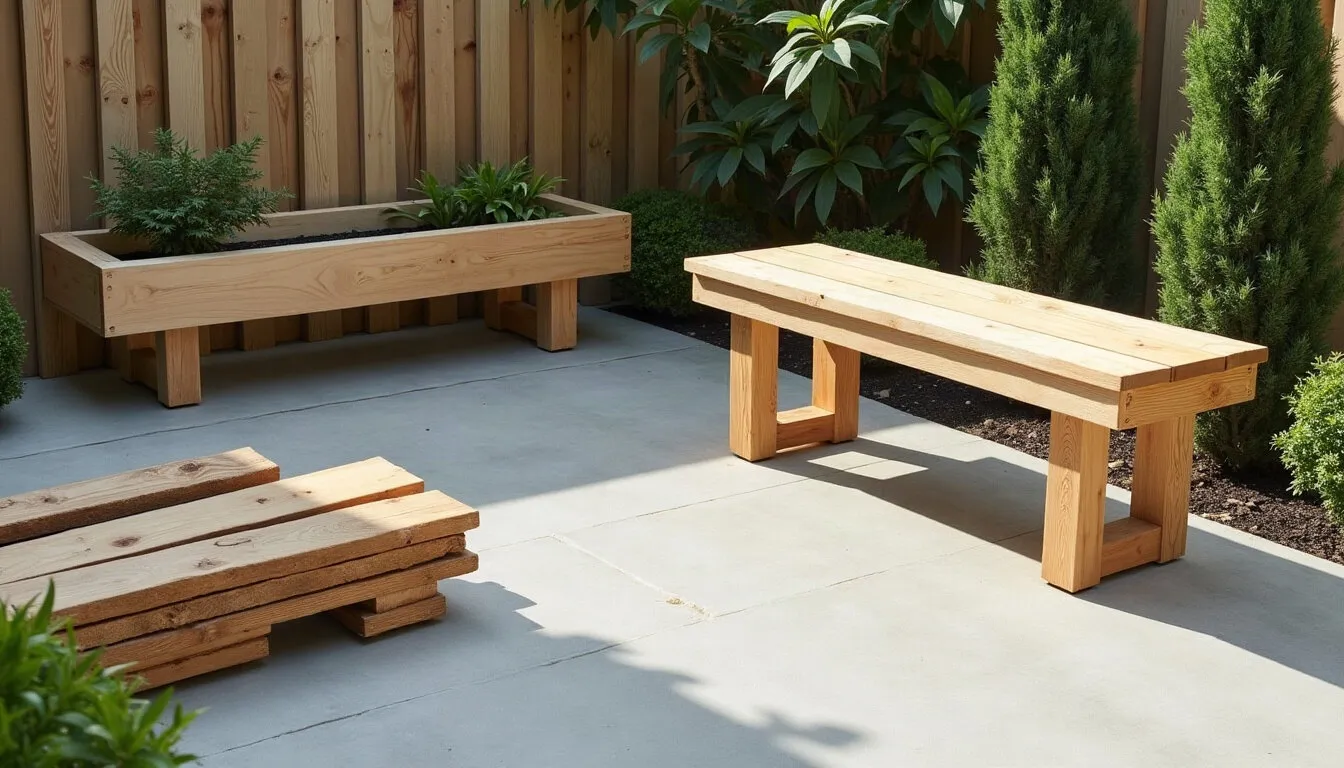
Plan the patio woodwork before the concrete is poured
How to list the wooden pieces around a new concrete patio, estimate the timber and settle fixings and drainage before the pour.
24 Oct 2026 · Felix Rowan
How to inventory exterior wood before asking for painting quotes
How to list, group and describe the condition of every piece of exterior wood on a house, so painting quotes can be compared item by item.
14 Oct 2026 · Felix Rowan